
There are several treatment options for hearing loss. While hearing aids are the most prescribed treatment option, patients with moderate to profound sensorineural hearing loss may benefit more from a cochlear implant.
Cochlear Implants and Hearing Aids (Bimodal) Work Better Together
Cochlear implants help those with moderate to profound hearing loss in both ears who are not receiving enough benefit when using hearing aids. In a bimodal hearing solution, a hearing aid and a cochlear implant system work together to help provide you with a richer and more natural hearing experience.1
70% of cochlear implant recipients demonstrated improved hearing in noise and 93% experienced significantly improved speech understanding when compared to two hearing aids.2
How Do Cochlear Implants Work?
Cochlear implants have two components: an external device that collects sound, and an internal device placed under the skin that receives and processes the signals from the external part. Unlike a hearing aid, which amplifies sound before sending it through the auditory system, a cochlear implant bypasses auditory processing that occurs in the middle ear and transmits auditory input directly to the cochlear nerve in the inner ear.
Programmed for Success
We’re excited to provide a robust cochlear implant program that incorporates evaluations, surgery and lifelong follow-up care at our Minnesota locations in Woodbury, Vadnais Heights, Eagan and Lakeville. Cochlear implant surgeries are performed by Dr. Service, our cochlear implant surgeon, who works closely with our audiology team throughout your hearing journey.
We are really proud to provide resources for you to help you continue your journey with hearing loss and help you from looking at all options for your hearing including cochlear implantation.” He also emphasizes that “we’re here for you for the whole duration, and there are appointments for you for your lifetime after implantation.
Dr. Service
Let’s walk through the basics of our cochlear implant program and how our team can help you hear your best.
The Next Steps
1. Recommending a Cochlear Implant
When we evaluate you for a cochlear implant, we’ll review your hearing history and conduct hearing and speech comprehension tests, both with and without your hearing aids. Next, we’ll perform a medical check.
During a medical check, an ear, nose & throat (ENT) doctor will review your medications and health history and order a scan or x-ray of your ears. At this point, they’ll also go over the procedure in detail, including follow-up appointments and potential risks.
In general, we’ll recommend a cochlear implant if you meet the following criteria:
- You don’t receive enough benefit from hearing aids
- You have significant difficulty understanding speech
- You have inner ear hearing loss
Beyond the medical requirements, we ask that you fully understand the implant process, stay committed to attending follow‑up visits and maintain realistic expectations about the outcomes.
What To Expect
2. Implanting the Device
After verifying that you’re a good candidate for the implant, we’ll schedule the surgery. The surgery typically lasts two hours. It’s outpatient, meaning you can go home the same day, but we perform it under general anesthesia, so you will need a ride home after. The procedure follows these steps:
- The ENT surgeon will make an incision behind the ear
- They will place the receiver under the skin behind the ear
- They will make a small opening in the cochlea and guide electrodes inside the cochlea
- They will close the incision and place dressing over the ear to promote healing and prevent infection
- Before the procedure is complete, we confirm the implant’s placement with an x-ray in the operating room. We also send a signal through the device and measure the nerve’s response to verify that the implant is working and that the hearing nerve is responding while the patient is still asleep.
Most patients tolerate cochlear implant surgery very well. In fact, about half of patients never need the prescription pain medication we send them home with. You’ll also receive antibiotics after surgery to help keep the risk of infection very low.
Some patients experience temporary dizziness or an unusual taste on the tongue after surgery because the taste nerve travels through the ear. These effects are typically temporary and resolve as you recover.
We’ll ask you to come back three weeks after the surgery to make sure everything is healed up and ok before we turn the device on for the first time
3. Programming the Cochlear Implant
Programming a cochlear implant is similar to taking a hearing test. You’ll listen to a series of sounds at different volumes and indicate when you hear them. We’ll use your responses to create a MAP or program that will dictate how your implant delivers sound. We’ll repeat this process regularly over the first few weeks and months to fine-tune the device to your hearing.
After the first year, you will only require annual appointments to ensure the implant continues to meet your needs.
When we first activate the implant, it may sound a little odd or robotic, but the sound quality will improve as the brain adjusts to the electrical stimulation.
4. Outcomes
A 2020 review examined research on cochlear implant outcomes by analyzing studies published between 2000 and 2018.1 From thousands of abstracts, researchers narrowed the field to studies that reported speech perception or self-reported listening and quality-of-life outcomes for at least three months after implantation. Ultimately, they focused on 102 studies that included more than ten participants each.
A few key findings include:
- Word perception improved substantially, rising on average from 8.2% before implantation to 53.9% after implantation
- Self‑reported benefit increased by 21.5 percentage points
- 53.4% of adults who developed hearing loss before acquiring speech and language, and 82% of adults who developed hearing loss after acquiring speech and language, showed at least a 15‑percentage‑point improvement in speech perception
It has been so exciting to see over 100 people receive cochlear implants in the first four years of our Cl program,” says Kristi Gravel, one of our Midwest Hearing audiologists. “This technology, and the expertise of our team, is changing lives and enabling people to reconnect with their loved ones and colleagues. So many people who previously thought there were no further options for their hearing loss are now finding new solutions are available to them, and it’s been a privilege to guide people to this technology and help them along their journey to better hearing.
Dr. Gravel
Better speech understanding can open the door to a more connected daily experience. If you’d like to learn more about whether a cochlear implant is right for you, our Midwest Hearing team is available to help. Call us today to schedule your appointment.
Cochlear Implant Team
 Geoffrey J. Service
M.D.
Geoffrey J. Service
M.D.
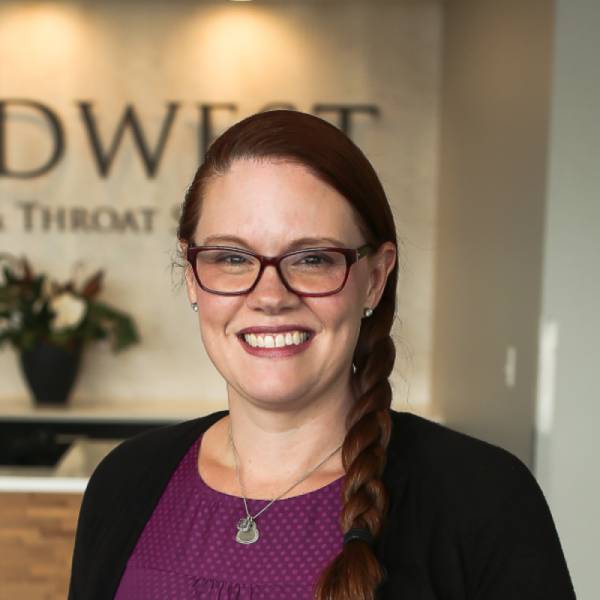 Jamie Kirchoff
Au.D. CCC-A
Jamie Kirchoff
Au.D. CCC-A
 Madeline Osborne
Au.D., CCC-A
Madeline Osborne
Au.D., CCC-A
 Kathleen Sheets
Au.D. CCC-A
Kathleen Sheets
Au.D. CCC-A
 Blake Strand
Au.D. CCC-A
Blake Strand
Au.D. CCC-A
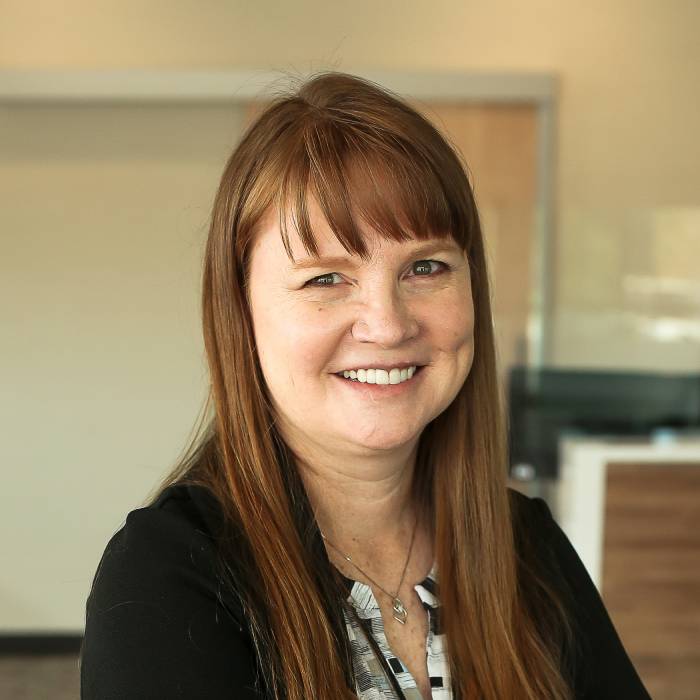 Kelly Veit
Au.D. CCC-A
Kelly Veit
Au.D. CCC-A
Call Midwest ENT Specialists at (651) 702-0750 for more information or to schedule an appointment.
Sources:
1 Boisvert I, Reis M, Au A, Cowan R, Dowell RC. Cochlear implantation outcomes in adults: A scoping review. PLoS One. 2020 May 5;15(5):e0232421. doi: 10.1371/journal.pone.0232421. PMID: 32369519; PMCID: PMC7199932.
2 Dorman MF, Gifford RH, Spahr AJ, McKarns SA. The benefits of combining acoustic and electric stimulation for the recognition of speech, voice and melodies. Audiology and Neurotology. 2008;13(2):105-12.
3 Clinical Evaluation of the Cochlear Nucleus CI532 Cochlear Implants in Adults Investigator Meeting. 2019 Apr. © Cochlear Limited 2019. All rights reserved.