
Asthma is a chronic lung condition that causes inflammation and narrowing of the airways. It is characterized by shortness of breath, wheezing, coughing and chest tightness. Allergies are a frequent trigger of asthma in both children and adults — in fact, allergic asthma is the most common type, affecting around 60% of people with the condition.
What Are the Causes of Asthma?
When the body encounters an irritant it identifies as a threat, the bronchial tubes constrict and an excess of mucus is produced, narrowing the airways and restricting breathing. Common triggers include pollen, mold, dust mites and pet dander. Non-allergic triggers such as exercise, cold air, respiratory infections and wildfire smoke can also bring on symptoms, even in people whose asthma is otherwise well controlled.
What Are the Symptoms of Asthma?
Asthma affects every patient differently and episodes may occur sporadically or on a daily basis. Common symptoms include wheezing, shortness of breath, coughing (particularly at night) and tightness or pressure in the chest. Some patients also experience trouble sleeping and fatigue. If you notice symptoms worsening during allergy season, after outdoor activity or on days when air quality is poor, allergic asthma may be a factor.
How Is Asthma Treated?
While there is no cure for asthma, most patients benefit from a combination approach that includes avoiding triggers and managing symptoms with medication. Treatment is individualized based on your specific triggers, symptom patterns and lifestyle.
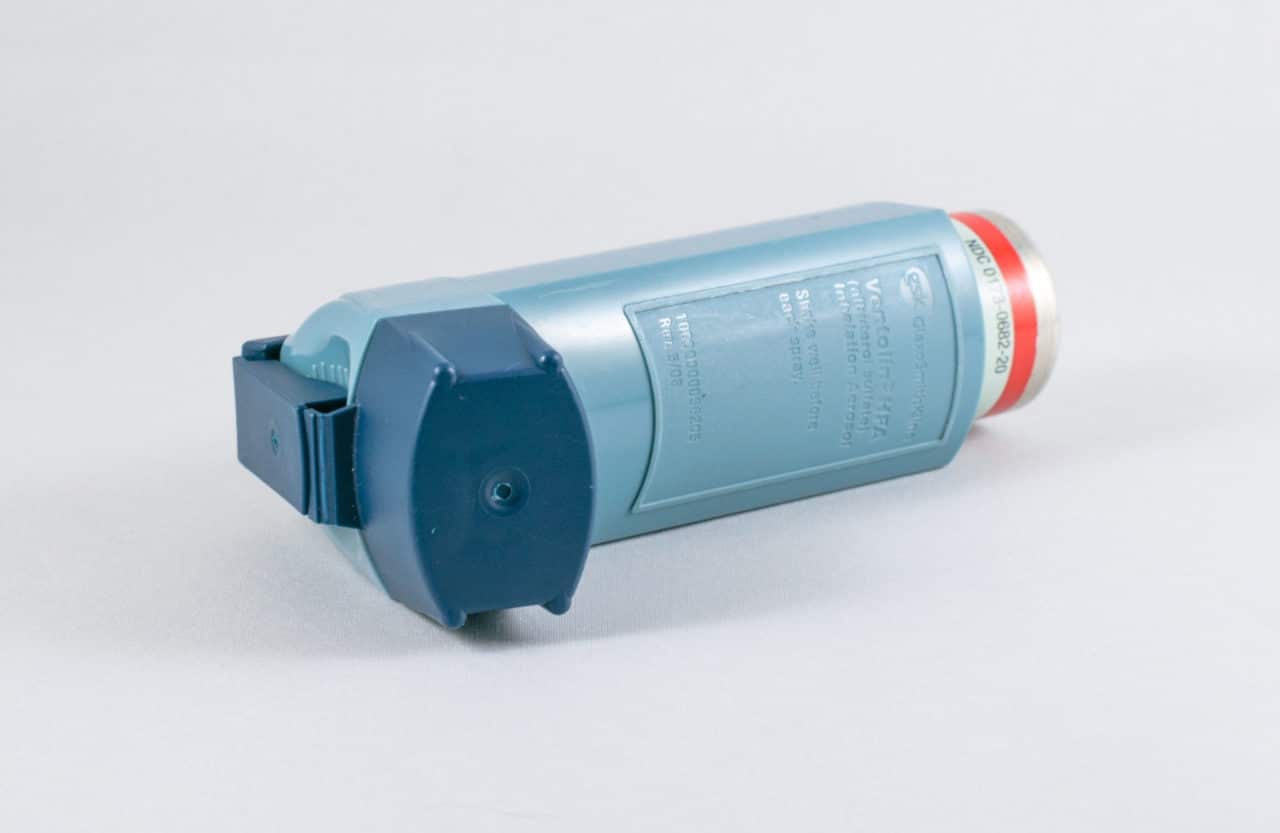
Common medications include bronchodilators, which open the airways and help clear mucus, and anti-inflammatory medications, which reduce swelling and limit mucus production. The most common delivery method is an inhaler, which provides a measured dose of medication when activated. Rescue inhalers are especially important during acute flare-ups.
For patients with allergic asthma, treating the underlying allergy through immunotherapy (allergy shots) can also help reduce asthma symptoms over time. Managing allergies and asthma together leads to better outcomes for both conditions.
For patients with more severe or difficult-to-control asthma, biologic medications may be recommended. Your allergist will discuss whether this is an appropriate option for you. Managing allergies and asthma together leads to better outcomes for both conditions.
Asthma and Air Quality
Poor air quality from wildfire smoke, high pollen counts and other environmental factors can worsen asthma symptoms even when your condition is otherwise stable. Monitoring the Air Quality Index (AQI) and having an up-to-date asthma action plan are important steps in staying ahead of flare-ups. Read our tips for managing asthma when air quality drops.
Asthma Care at Midwest Allergy & Asthma
Our team provides personalized asthma care for adults and children, including comprehensive evaluation, trigger identification and individualized treatment planning. Whether your asthma is triggered by allergies, exercise, cold air or environmental factors, we can help you develop a plan that keeps you breathing easier.
Well-controlled asthma is also an important part of food allergy safety. Patients with both conditions are at higher risk for severe allergic reactions if asthma is not well managed. Our team takes an integrated approach to care, addressing both asthma and allergies together.
Call Midwest Allergy & Asthma at (651) 702-0750 for more information or to schedule an appointment.