
Thirty years ago, if you told your physician you thought you had developed an allergy to meat, they would have reassured you that there was no such thing. That changed in the late 2000s when UVA’s Dr. Thomas Platts-Mills discovered an allergic reaction linked to bites from the lone star tick. Platts-Mils documented patients who reacted to alpha-gal, a sugar molecule found in mammals such as cows, pigs and sheep, but not in humans or apes. This phenomenon came to be called alpha-gal syndrome (AGS).
AGS numbers have been increasing in recent years, with the New York Times reporting that as many as half a million Americans may have the syndrome. AGS has also been more prominent in the news due to the unfortunate death of a 47-year-old New Jersey man last fall. Deaths are rare—this was the first documented and confirmed instance of a death due to AGS—but proper diagnosis and treatment are key for ensuring affected individuals remain safe.
As awareness of alpha-gal syndrome has grown, so has the importance of specialized clinical expertise in recognizing and managing it.
At Midwest ENT’s Allergy and Asthma division, we are fortunate to have Dr. Alice Knoedler, who trained under Dr. Thomas Platts-Mills and is a leading Midwest expert in alpha-gal syndrome. With tick season approaching, learning how to prevent, identify and manage AGS is especially important. If you are concerned that you or a loved one may have AGS, call our office to schedule an appointment with Dr. Knoedler.
How Do Ticks Trigger Alpha-Gal Syndrome?
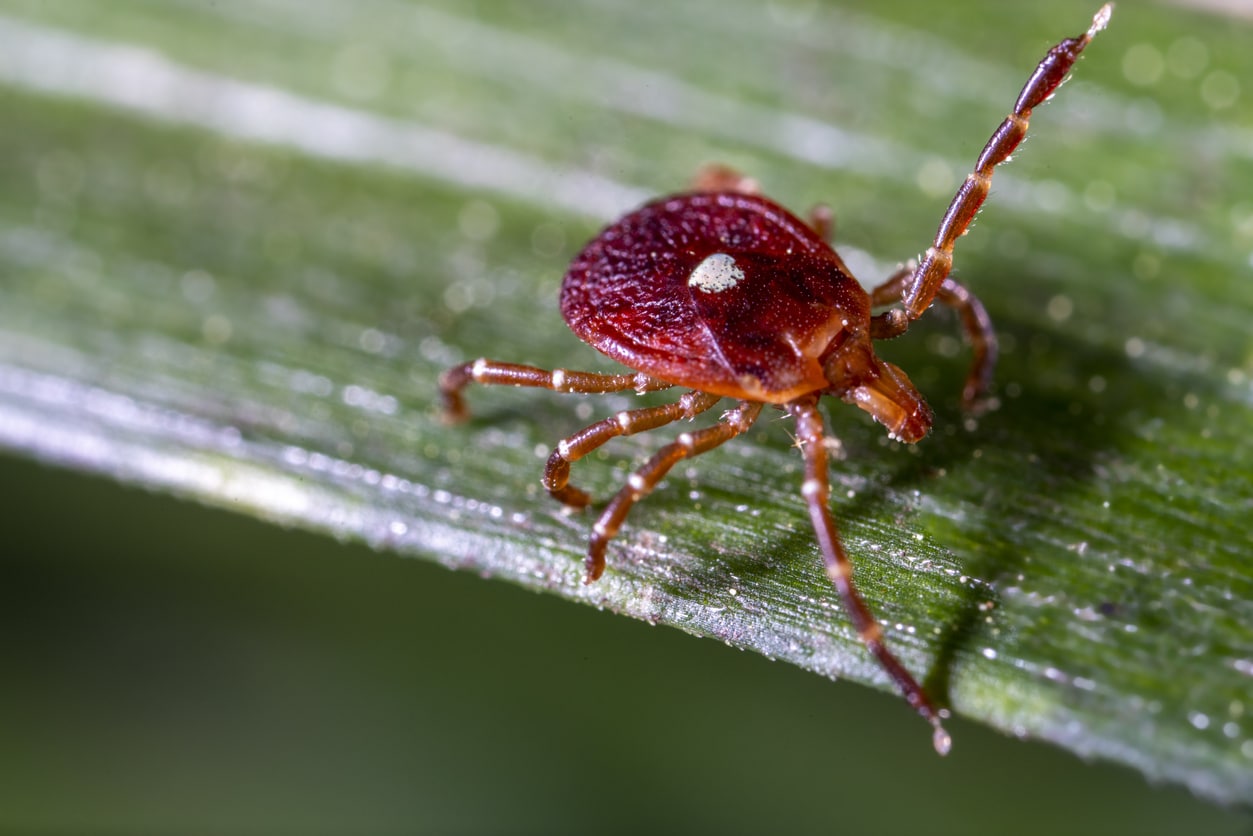
Some ticks carry the alpha-gal molecule in their saliva. When they bite you, they can trigger a sensitivity to the molecule. If you have the syndrome, you are more likely to have an allergic reaction to meats, medications and products that contain the alpha-gal molecule.
Is Alpha-Gal Syndrome Common?
The Centers for Disease Control (CDC) identified 110,000 suspected cases of AGS between 2010 and 2022 (2025). However, because AGS is often misdiagnosed, the actual number of cases is difficult to pin down. The CDC estimates that the number could be as high as 450,000 affected persons.
Identifying Alpha-Gal Syndrome
AGS may cause the immune system to overreact to specific mammals and animal byproducts, including:
- Meat from mammals like beef, pork, goat and lamb
- Foods or products that contain animal fat
- Cow’s milk
- Certain medications
After consuming these products, symptoms may include:
- Hives or flushed skin
- Swelling of the tongue, throat, lips, eyelids and face
- Stomach pain, diarrhea, heartburn, nausea and vomiting
- Coughing
- Shortness of breath or wheezing
- Dizziness or loss of consciousness
- Pain in the joints
Unlike most food allergies, a person’s allergic reaction due to alpha-gal syndrome may be delayed. This delay frequently leads to misdiagnosis, as symptoms may appear hours after exposure. Primary care physicians may not immediately suspect a food allergy, which can lead to worsening symptoms.
Alpha-gal syndrome symptoms can range from mild to life-threatening, underscoring the need for proactive allergen avoidance and early diagnosis and management.
Managing Alpha-Gal Syndrome
One of the most important steps in managing AGS is avoiding the foods, medications and products that cause an allergic reaction. In addition to avoidance, treatments like omalizumab injections and oral immunotherapy may reduce the risk of a life-threatening reaction.
A provider may also prescribe antihistamines and an epinephrine auto-injector (EpiPen®) in case of accidental exposure.
Accurate diagnosis and management are crucial. Our allergy specialists, including Dr. Knoedler, can help you diagnose and manage AGS.
Preventing Alpha-Gal Syndrome
To reduce the risk of developing AGS, it’s essential to take precautions against tick bites. Ticks live in wooded areas, grasslands and even suburban yards, and they are most active between April and October. They often attach in hard-to-see places like the scalp, underarms, behind the knees or inside the belly button.
Even outside of peak tick season, education is crucial. Preventing alpha-gal syndrome and recognizing it when it develops can prevent serious reactions.
During tick season, the following steps can help ward off tick bites:
- Treat clothing and gear with a product containing 0.5% permethrin—a type of insect repellent
- Wear insect repellent lotions or sprays
- Wear long sleeves and pants with pants tucked into socks during hiking or camping
- Mow the lawn frequently
- Check skin and hair following days outdoors
- Stay on-trail during hikes
Because symptoms are delayed and may not follow typical food allergy patterns, many people go years without an accurate diagnosis. Increasing awareness among patients and primary care providers plays an important role in the prevention of severe and life-threatening reactions due to alpha-gal syndrome.
If you suspect AGS, please contact the allergy experts at Midwest Allergy & Asthma for a diagnosis and treatment consultation.